
Five Things You Should Wash More Often Than You Do For Better Health and Hygiene

Good hygiene habits are one of the simplest ways to protect yourself and your family from infections and skin problems. While most people focus on washing their hands regularly, many everyday items that come in close contact with our body often go unnoticed when it comes to cleaning.
These frequently used items can collect bacteria, sweat, dead skin cells, oil, and dust over time. When not cleaned
regularly, they may contribute to skin irritation, allergies, acne, unpleasant odors, or even minor infections.
The good news is that maintaining proper hygiene doesn't require complicated routines. By simply paying attention to a few commonly overlooked items and washing them more frequently, you can significantly improve your daily hygiene and overall health.
Here are five everyday things you should wash more often than you probably do, along with easy tips to keep them clean.
1. Pillowcases – A Hidden Source of Skin Problems
Why It Matters
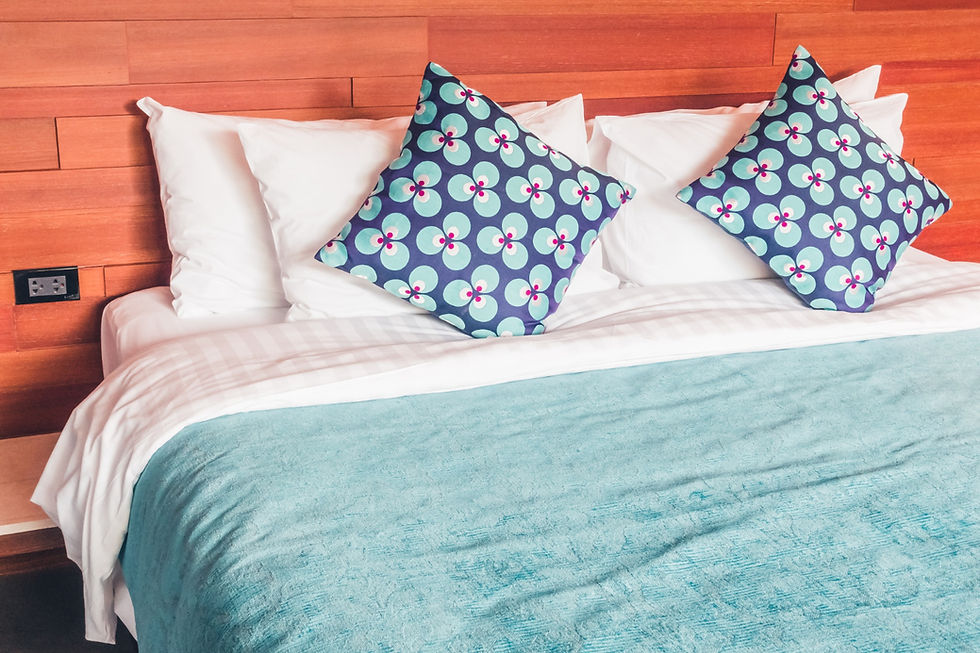
Your pillowcase comes into contact with your face and hair for 6–8 hours every night. During sleep, your skin releases oil and sweat, and tiny dead skin cells accumulate on the pillow surface. Over time, this can create a perfect environment for bacteria and dust mites.
Dirty pillowcases may contribute to:
Acne and breakouts
Skin irritation
Allergies
Scalp issues
Hygiene Habit Tip
Dermatologists often recommend washing pillowcases every 3–4 days, especially if you have oily skin, acne-prone skin, or long hair.
2. Bath Towels – Damp Towels Can Harbor Germs

Why It Matters
After every shower, towels absorb moisture, dead skin cells, and natural body oils. Because they often stay damp in bathrooms, towels can become a breeding ground for bacteria and fungi.
Using the same towel for too long may increase the risk of:
Skin infections
Body odor
Fungal growth
Hygiene Habit Tip
Experts recommend:
Washing bath towels after every 3–4 uses
Hanging them properly in a well-ventilated area to dry
3. Reusable Water Bottles – Clean Inside and Outside

Why It Matters
Reusable water bottles are great for hydration and sustainability, but many people forget to wash them regularly. Each sip transfers bacteria from your mouth into the bottle, and moisture inside creates an environment where germs can multiply.
Over time, unwashed bottles may develop:
Bad odors
Bacterial buildup
Mold in lids or straws
Hygiene Habit Tip
Wash your water bottle daily with warm water and soap
Use a bottle brush to clean hard-to-reach areas
Deep clean lids and straws at least once a week
4. Your Phone Screen – One of the Dirtiest Everyday Objects

Why It Matters
Your smartphone goes everywhere with you—workplaces, public transport, restaurants, and even bathrooms. Throughout the day, it collects germs from your hands and surfaces and then touches your face repeatedly.
Research suggests that phone screens can carry more bacteria than many household surfaces.
Hygiene Habit Tip
Wipe your phone daily with alcohol-based disinfectant wipes
Avoid using harsh chemicals that can damage the screen
Clean phone cases regularly as well
5. Makeup Brushes – A Common Cause of Breakouts

Why It Matters
Makeup brushes collect cosmetic residue, oil, dirt, and bacteria after every use. When reused without proper cleaning, they can transfer bacteria back onto the skin.
Dirty brushes may lead to:
Acne and breakouts
Skin irritation
Uneven makeup application
Hygiene Habit Tip
Wash makeup brushes once a week with mild soap or brush cleaner
Allow them to dry completely before reuse
Conclusion

Maintaining good hygiene goes beyond washing your hands. Many everyday items that come in contact with your skin or face can quietly accumulate germs if not cleaned regularly.
By developing simple habits—like washing pillowcases, cleaning towels, disinfecting phones, and maintaining personal care items—you can greatly reduce the buildup of bacteria in your daily environment.
Small changes in hygiene routines can make a big difference in protecting your skin, preventing infections, and supporting overall health.


Comments