
Five Diet Changes That May Help Manage Endometriosis Symptoms Naturally

Endometriosis can affect much more than menstrual pain. Bloating, constipation, diarrhea, fatigue and digestive discomfort can also make everyday life difficult. While no specific diet has been proven to cure or remove endometriosis, choosing balanced, nutrient-rich foods and identifying personal food triggers may help some people manage symptoms and support overall health. Current guidelines also emphasize that evidence for dietary treatment remains limited.
1. Fill Your Plate With Colourful Fruits and Vegetables
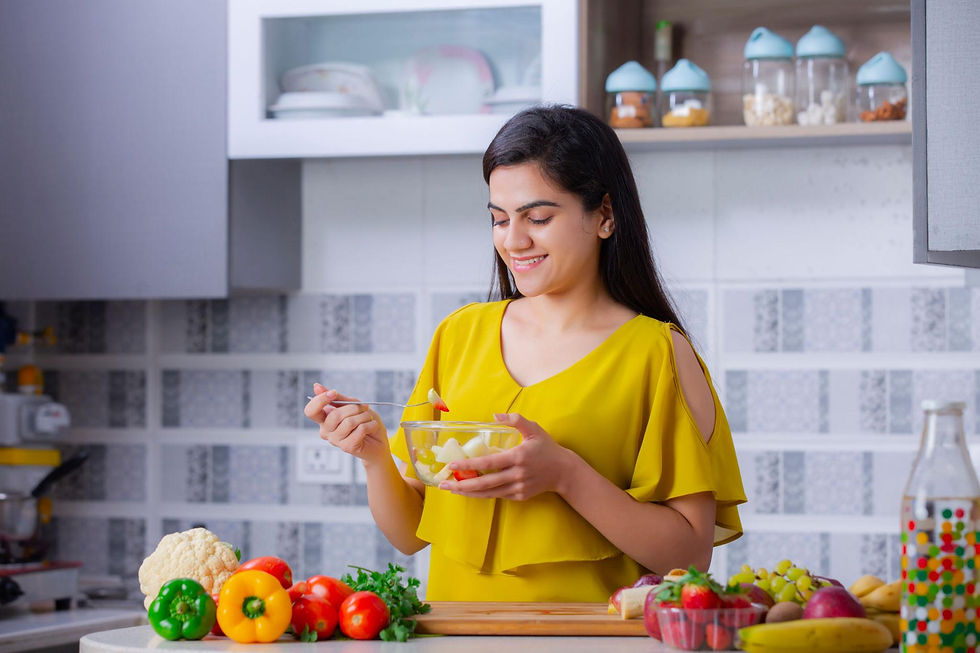
Vegetables and fruits provide fibre, vitamins, minerals and antioxidants that support overall health. Leafy greens, broccoli, carrots, berries, oranges, apples and other colourful produce can be easy additions to everyday meals.
A healthy, balanced eating pattern may also support bowel health, which is particularly relevant because gastrointestinal symptoms can occur alongside endometriosis. However, foods that trigger bloating or digestive discomfort can vary from person to person.
Easy choices:
Leafy green vegetables
Broccoli and other cruciferous vegetables
Berries and citrus fruits
Apples, pears and seasonal fruits
Beans and other fibre-rich foods, if tolerated
2. Choose Omega-3-Rich Foods More Often
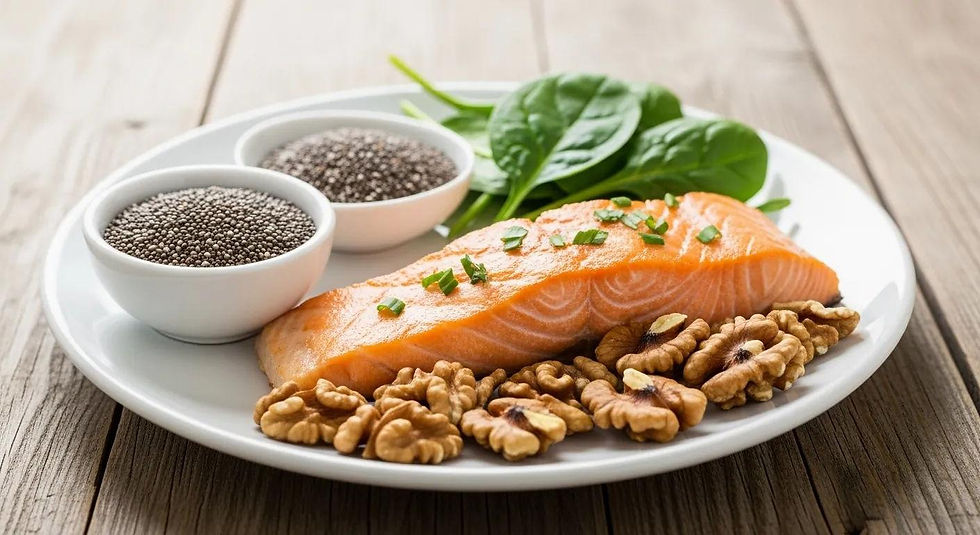
Omega-3 fatty acids are found in foods such as fatty fish, walnuts, chia seeds and flaxseeds. They are part of a balanced diet and have attracted interest because of their potential anti-inflammatory properties.
Some research has linked higher omega-3 intake with a lower risk of endometriosis, but this does not mean omega-3 foods or supplements can treat endometriosis. More research is needed before making strong dietary claims.
Try adding:
Salmon, sardines or other oily fish
Walnuts
Chia seeds
Ground flaxseeds
Plant-based oils rich in unsaturated fats
3. Cut Back on Highly Processed and High-Saturated-Fat Foods

There is growing interest in eating patterns that are lower in highly processed foods, processed meat and excessive saturated fat. Some clinical resources suggest that a Mediterranean-style or lower-inflammatory eating pattern may help some people manage symptoms, although the evidence specifically for endometriosis remains limited.
Instead of making extreme restrictions, focus on gradual swaps.
Try replacing:
Processed meats → Fresh fish, eggs, beans or lean protein
Deep-fried foods → Grilled, baked or steamed options
Highly processed snacks → Fruit, nuts or yogurt if tolerated
Sugary drinks → Water or unsweetened beverages
The goal is not perfection—it is building a sustainable eating pattern.
4. Pay Attention to Foods That Trigger Bloating and Digestive Symptoms

Endometriosis can overlap with bowel symptoms such as bloating, abdominal discomfort and changes in bowel habits. For some people, particular foods may worsen these symptoms.
A low-FODMAP diet may help some people who experience significant gastrointestinal symptoms, but it is restrictive and is generally intended as a structured, short-term approach rather than a permanent diet. Professional guidance from a dietitian or doctor can help prevent unnecessary food restrictions.
Keep a simple food-and-symptom diary for a few weeks. It may help identify patterns without unnecessarily eliminating large groups of foods.
5. Stay Hydrated and Build a Sustainable Eating Routine

Hydration is an often-overlooked part of symptom management. Drinking enough water can support normal bowel function and may help reduce constipation-related discomfort. A consistent routine of balanced meals, adequate fluids and regular physical activity can also support overall wellbeing.
Rather than following a highly restrictive “endometriosis diet,” focus on habits you can maintain:
Drink water regularly throughout the day.
Include fibre-rich foods as tolerated.
Eat a variety of vegetables and fruits.
Choose minimally processed foods more often.
Notice and record your individual food triggers.
Avoid unnecessary elimination diets without professional guidance.
Foods to Eat More Often
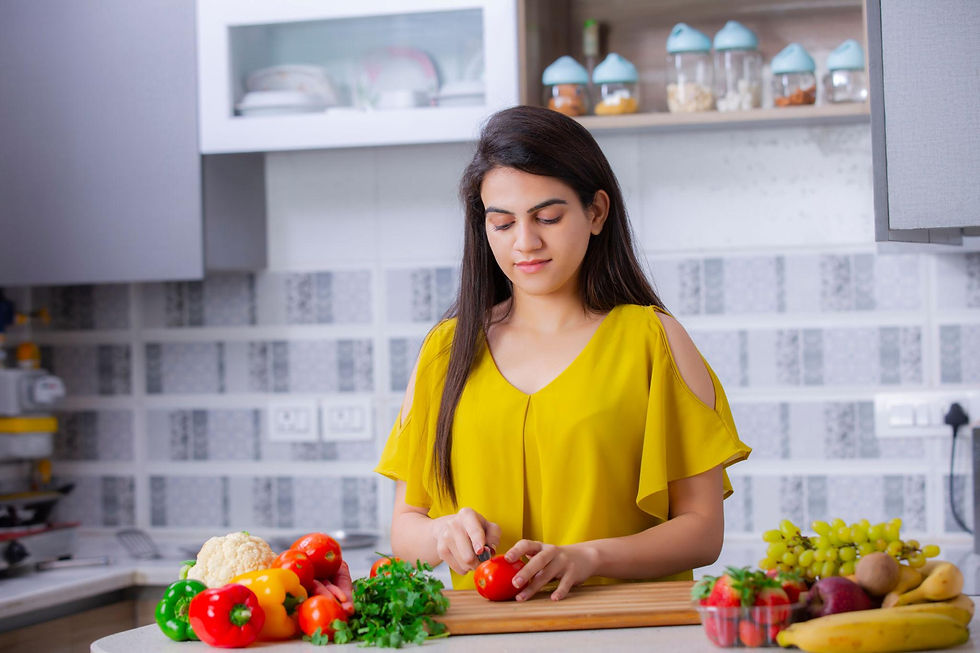
A practical endometriosis-friendly eating pattern can include:
Vegetables: leafy greens, broccoli, carrots, beans and other colourful
vegetables Fruits: berries, citrus fruits and seasonal whole fruits
Healthy fats: walnuts, chia seeds, flaxseeds and unsaturated plant oils
Protein: fish, eggs, beans, lentils and other minimally processed protein sources
Whole grains: oats, brown rice and other whole-grain choices
Fluids: primarily water and other unsweetened beverages
Foods to Limit if They Trigger Symptoms
There is no universal list of foods that every person with endometriosis must avoid. However, it may be helpful to reduce highly processed foods, processed meats, excessive saturated fat, alcohol and individual foods that clearly worsen your digestive symptoms.
Conclusion

Food can be one part of managing life with endometriosis, but it should not replace medical treatment. There is currently no proven diet that cures endometriosis or removes endometriosis lesions, and research on specific dietary interventions is still limited.
The best approach is usually a balanced diet, attention to personal triggers and professional guidance when symptoms are significant. If you have severe pelvic pain, persistent digestive symptoms, heavy periods, fertility concerns or symptoms that interfere with daily life, speak with a qualified healthcare professional.



Comments