
Five Serious Reasons Why Hypertension During Pregnancy Remains a Major Maternal Health Risk

Hypertension during pregnancy is one of the leading causes of maternal illness and pregnancy complications worldwide. It refers to high blood pressure that develops before pregnancy, during pregnancy, or because of pregnancy-related conditions such as gestational hypertension and preeclampsia.
According to major global health organizations, hypertensive disorders of pregnancy affect approximately 5–10% of pregnancies worldwide and remain a significant contributor to maternal and newborn complications. These conditions include:
Chronic hypertension (high blood pressure present before pregnancy or before 20 weeks)
Gestational hypertension (high blood pressure developing after 20 weeks without organ damage)
Preeclampsia (high blood pressure with signs of organ involvement)
Eclampsia (preeclampsia with seizures)
Blood pressure during pregnancy is considered high when readings reach 140/90 mmHg or higher on repeated measurements.
Hypertension during pregnancy is dangerous because it can reduce blood flow to important organs and the placenta. Reduced placental blood flow can affect the baby’s growth and oxygen supply, while uncontrolled maternal blood pressure may damage the kidneys, liver, brain, heart, and blood vessels.
Many women do not notice symptoms in the early stages, which is why regular prenatal checkups are extremely important. While some mild symptoms can occur in normal pregnancy, severe headaches, sudden swelling, blurred vision, chest pain, or breathing difficulties should never be ignored.
The good news is that early detection, regular prenatal care, healthy lifestyle habits, and proper medical management can significantly reduce the risk of serious complications.
1. Hypertension Can Progress to Preeclampsia
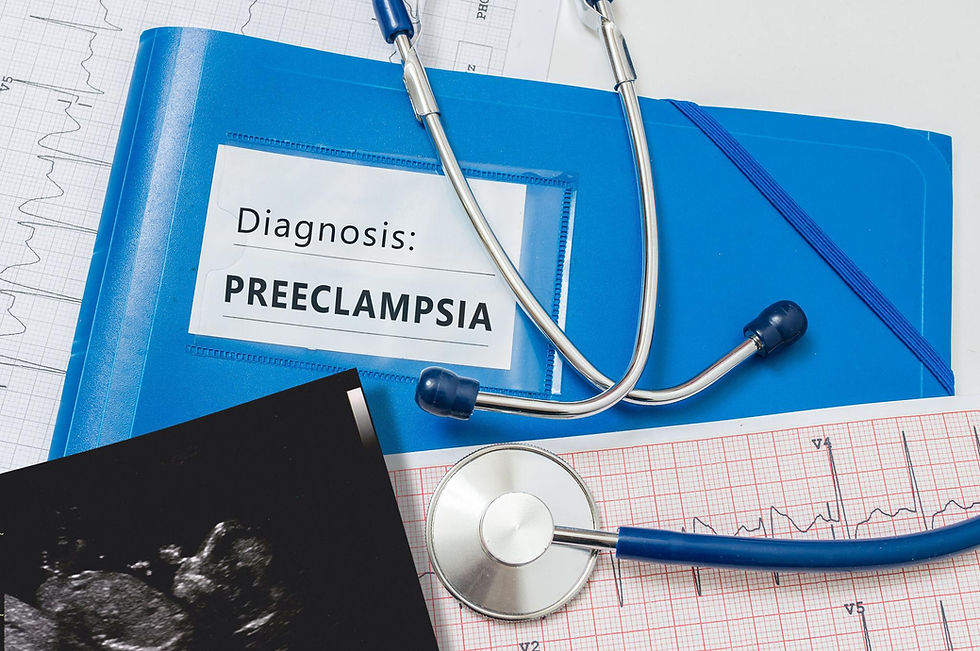
One of the most serious dangers of hypertension during pregnancy is the development of preeclampsia. Preeclampsia usually develops after 20 weeks of pregnancy and involves high blood pressure along with signs that organs are being affected.
Preeclampsia can damage:
Kidneys
Liver
Brain
Blood vessels
Placenta
Doctors may detect protein in the urine, abnormal blood tests, or signs of organ stress during prenatal examinations.
Common Symptoms of Preeclampsia
Persistent or severe headaches
Blurred vision or sensitivity to light
Swelling of the face, hands, or feet
Pain in the upper abdomen, especially under the ribs
Sudden weight gain due to fluid retention
Shortness of breath
Why It Is Dangerous
If untreated, preeclampsia can progress to eclampsia, a life-threatening condition involving seizures. Severe cases may also increase the risk of stroke, bleeding disorders, liver injury, kidney failure, placental abruption, or maternal death.
For the baby, preeclampsia can reduce oxygen and nutrient supply because the placenta may not function properly.
2. It Increases the Risk of Premature Birth

When hypertension becomes severe or complications such as preeclampsia develop, doctors may recommend early delivery to protect the health of the mother and baby.
This can result in preterm birth, which means the baby is born before 37 weeks of pregnancy.
Risks for Premature Babies
Premature babies may face:
Breathing difficulties because the lungs may not be fully developed
Feeding and digestion problems
Increased risk of infections
Difficulty maintaining body temperature
Low birth weight
Long-term developmental challenges in severe cases
The severity of complications often depends on how early the baby is born.
Why Hypertension Causes Early Delivery
High blood pressure can affect placental blood flow and increase the risk of:
Poor fetal growth
Placental abruption (when the placenta separates too early)
Fetal distress
Dangerous maternal complications
In some situations, early delivery becomes the safest option.
3. Hypertension Can Affect the Baby’s Growth and Oxygen Supply

High blood pressure during pregnancy can narrow blood vessels and reduce blood flow to the placenta. The placenta supplies oxygen and nutrients to the developing baby.
When placental blood flow is reduced, the baby may not receive enough oxygen or nutrition for healthy growth.
Possible Effects on the Baby
Fetal growth restriction (baby grows more slowly than expected)
Low birth weight
Reduced amniotic fluid in some cases
Increased risk of fetal distress
Higher likelihood of neonatal intensive care after birth
Doctors often monitor fetal growth carefully in women with hypertension through ultrasound scans, blood pressure monitoring, and fetal heart monitoring.
Why Monitoring Matters
Regular prenatal visits help doctors identify:
Changes in maternal blood pressure
Reduced fetal movement
Growth concerns
Placental problems
Early monitoring can help prevent severe complications.
4. Symptoms Are Often Missed or Confused With Normal Pregnancy Changes
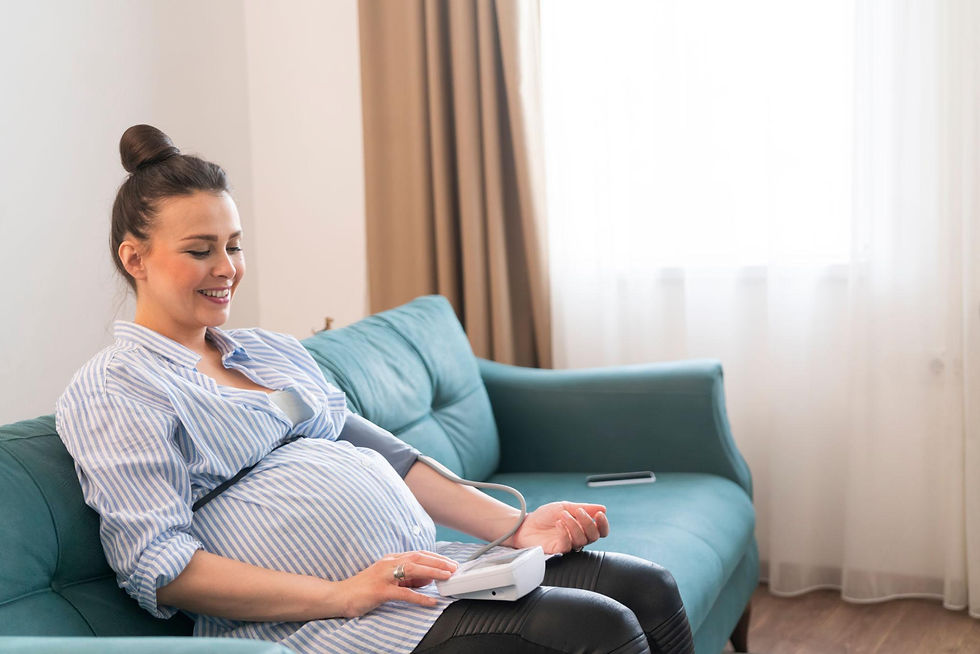
A major reason hypertension remains dangerous during pregnancy is that some symptoms may appear similar to common pregnancy discomforts.
For example:
Mild swelling can occur in normal pregnancy
Fatigue is common during pregnancy
Headaches may occur due to hormonal changes
Because of this, warning signs are sometimes ignored until blood pressure becomes dangerously high.
Symptoms That Need Immediate Medical Attention
Pregnant women should contact a healthcare professional if they experience:
Severe or persistent headaches
Sudden swelling of the face or hands
Blurred vision or flashing lights
Chest pain
Severe abdominal pain
Breathing difficulties
Reduced baby movement
Sudden dizziness or confusion
Importance of Prenatal Care
Regular prenatal appointments allow healthcare providers to:
Check blood pressure regularly
Monitor urine protein
Assess fetal growth
Detect complications early
Home blood pressure monitoring may also help some women who are at higher risk.
5. Lifestyle and Health Conditions Are Increasing the Risk

Several modern lifestyle and health factors are contributing to rising rates of hypertension during pregnancy.
Important Risk Factors
Obesity or overweight
Diabetes
Chronic hypertension before pregnancy
Kidney disease
First pregnancy
Multiple pregnancy (twins or triplets)
Maternal age above 35 years
Family history of preeclampsia
Sedentary lifestyle
Poor diet with excessive processed foods
Urban lifestyles involving stress, poor sleep, low physical activity, and unhealthy eating habits may also contribute to worsening maternal health risks.
Healthy Habits That May Help Lower Risk
Although not all cases can be prevented, healthy pregnancy care may reduce complications:
Attend regular prenatal checkups
Follow medical advice closely
Maintain a balanced diet
Stay physically active as advised by a doctor
Reduce excessive salt and ultra-processed food intake
Get adequate sleep
Avoid smoking and alcohol
Take prescribed medications exactly as directed
Women at high risk may also be advised by doctors to take low-dose aspirin during pregnancy, but this should only be started under medical supervision.
Conclusion
Hypertension during pregnancy remains a major maternal health risk because it can affect both the mother and the baby in multiple ways. It increases the risk of preeclampsia, premature birth, placental complications, organ damage, and fetal growth problems.
One of the biggest dangers is that symptoms may initially appear mild or may be confused with normal pregnancy discomforts. This is why regular prenatal care and blood pressure monitoring are extremely important.
With early diagnosis, proper medical supervision, healthy lifestyle habits, and awareness of warning signs, many serious complications can be prevented or managed safely.
Every pregnant woman should understand that high blood pressure during pregnancy is not something to ignore. Early action can protect both maternal health and the baby’s future.


I was diagnosed with Parkinson’s disease four years ago. For over two years, I relied on Levodopa and several other medications, but unfortunately, the symptoms kept getting worse. The tremors became more noticeable, and my balance and mobility started to decline quickly. Last year, out of desperation and hope, I decided to try a herbal treatment program from NaturePath Clinic.
Honestly, I was skeptical at first, but within a few months of starting the treatment, I began to notice real changes. My movements became smoother, the tremors subsided, and I felt steadier on my feet. Incredibly, I also regained much of my energy and confidence. It’s been a life-changing experience I feel more like myself again, better than I’ve felt…