
Kerala Shigella Outbreak Raises Concern: Experts Explain Symptoms of the Infection Causing Bloody Diarrhea in Children
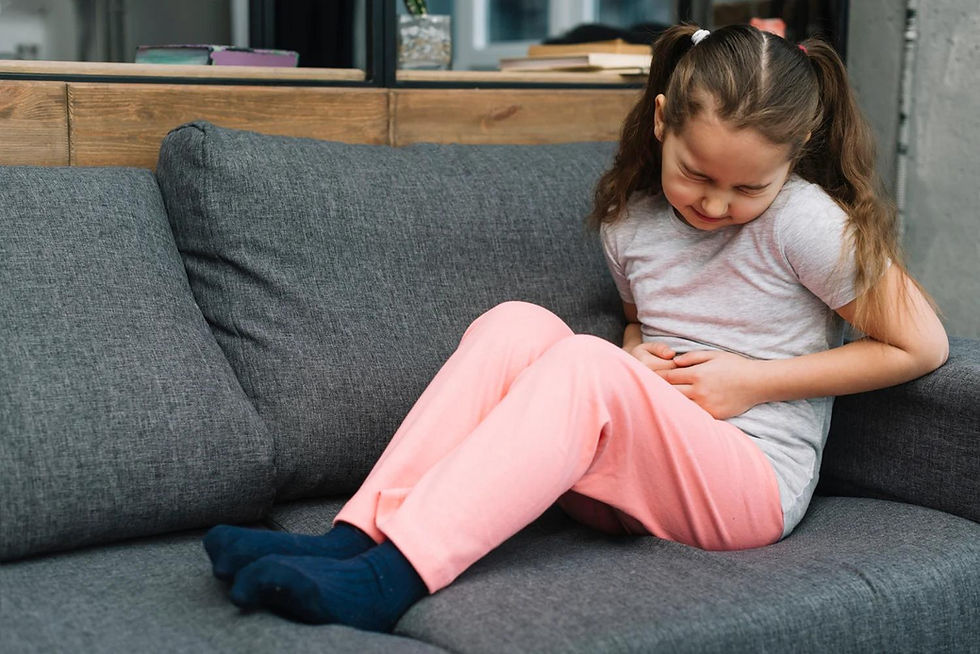
A recent outbreak of Shigella infection in Kerala has prompted health authorities to intensify surveillance, particularly in schools and among young children. The bacterial infection, known as shigellosis, is highly contagious and can spread rapidly through contaminated food, water, poor sanitation, and inadequate hand hygiene. Recent reports indicate a rise in cases among children, leading to increased public health monitoring in affected districts.
Health experts warn that Shigella primarily attacks the digestive system and can cause severe intestinal inflammation. While many patients recover with proper hydration and medical care, the infection can become serious in young children, older adults, and individuals with weakened immune systems. Currently, there is no widely available vaccine for Shigella, making prevention and early detection crucial.
What Is Shigella Infection?

Shigella is a group of bacteria that causes an intestinal illness called shigellosis. The infection spreads through the fecal-oral route, often via contaminated food, water, surfaces, or direct contact with an infected person. Because only a small number of bacteria are needed to cause illness, outbreaks can occur quickly in schools, daycare centers, and crowded communities.
Common Symptoms to Watch For

Doctors say the infection usually begins with:
Frequent diarrhoea
Bloody or mucus-filled stools
Fever
Abdominal cramps
Nausea and vomiting
Painful bowel movements
General weakness and fatigue
In severe cases, dehydration can develop rapidly, especially in children, requiring immediate medical attention.
Why Children Are More Vulnerable
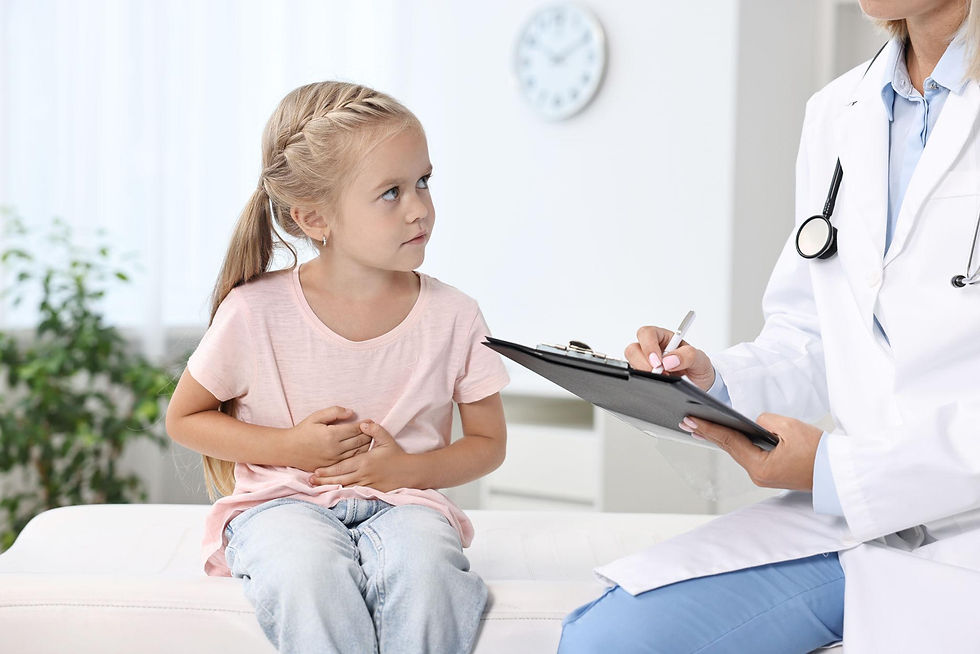
Children under five years of age are among the most vulnerable groups because their immune systems are still developing. They are also more likely to experience severe dehydration due to repeated diarrhoea and vomiting. Experts advise parents to seek medical care immediately if a child develops bloody diarrhoea, persistent fever, reduced urination, or signs of dehydration.
How Is It Treated?
Most cases are managed through adequate hydration and electrolyte replacement. Antibiotics may be prescribed for severe infections, prolonged symptoms, or high-risk patients. Medical experts emphasize that treatment decisions should be guided by healthcare professionals due to increasing antibiotic resistance in some Shigella strains.
Prevention Remains the Best Protection
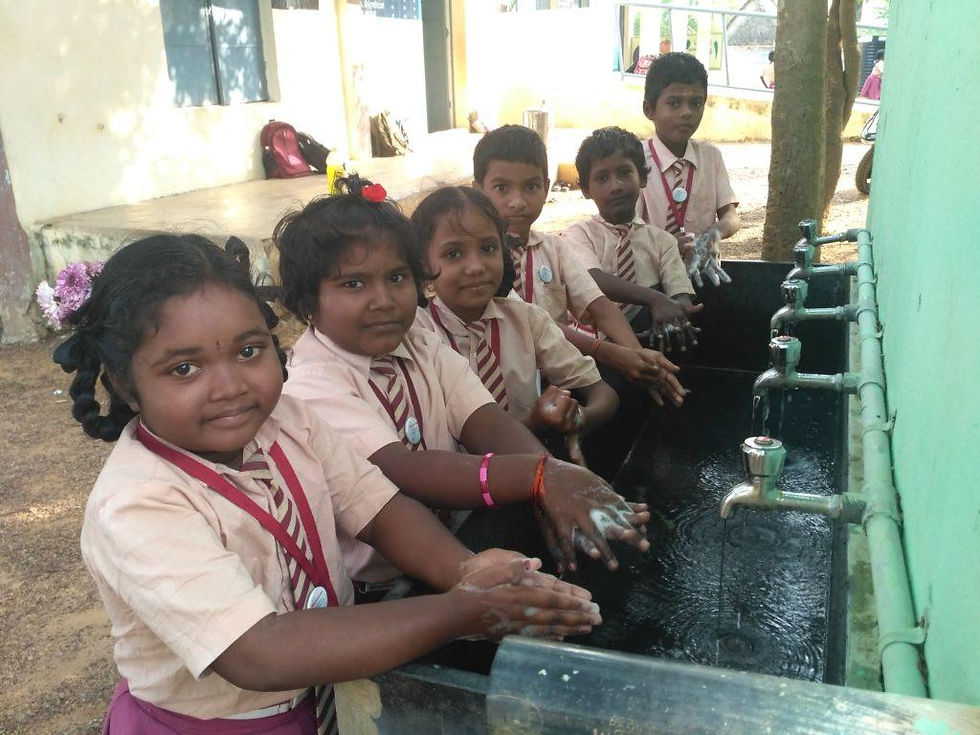
Since no approved vaccine is currently available for widespread protection against Shigella, prevention remains the most effective strategy. Experts recommend:
Washing hands thoroughly with soap and water
Drinking clean and safe water
Consuming freshly prepared food
Washing fruits and vegetables properly
Maintaining proper sanitation and hygiene practices
Teaching children good handwashing habits
Public health officials continue to monitor the situation closely and urge communities to remain vigilant, particularly in areas reporting new cases.


I was diagnosed with Parkinson’s disease four years ago. For over two years, I relied on Levodopa and several other medications, but unfortunately, the symptoms kept getting worse. The tremors became more noticeable, and my balance and mobility started to decline quickly. Last year, out of desperation and hope, I decided to try a herbal treatment program from NaturePath Clinic.
Honestly, I was skeptical at first, but within a few months of starting the treatment, I began to notice real changes. My movements became smoother, the tremors subsided, and I felt steadier on my feet. Incredibly, I also regained much of my energy and confidence. It’s been a life-changing experience I feel more like myself again, better than I’ve felt…