
Six Reasons Eye Donation Can Give Someone a New View of the World

Every year, Eye Donation Fortnight is observed from August 25 to September 8 in India to create awareness about eye donation, encourage people to pledge their eyes after death, and address the shortage of donor corneas needed for transplantation. The 2026 observance marks the 41st National Eye Donation Fortnight.
Eye donation is more than a medical procedure—it is an opportunity to leave behind something meaningful. Donated corneal tissue can help restore useful vision in people affected by certain forms of corneal blindness. Yet myths, lack of awareness and hesitation often prevent people from considering donation.
This fortnight is a reminder that a simple conversation today can potentially help someone see tomorrow.
1. It Creates Awareness About the Gift of Sight

Many people know about organ donation but may not understand that eye donation can also help restore vision. Eye Donation Fortnight provides an opportunity to explain
what eye donation involves and why donor corneas are important.
Awareness is particularly important because misconceptions can influence people's decisions. National campaigns encourage conversations within families and communities so that more people understand the process before the time comes.
The key message: Learning about eye donation is the first step toward making an informed decision.
2. It Can Help Restore Vision Through Corneal Transplantation

Eye donation is closely linked with corneal transplantation. The cornea is the transparent front surface of the eye, and donated corneal tissue can be used in appropriate patients whose vision is severely affected by corneal disease or injury.
For eligible patients, a corneal transplant can offer an opportunity to regain useful vision and improve independence and quality of life.
One donor can therefore leave behind a remarkable legacy—the possibility of sight for someone else.
3. It Helps Address the Shortage of Donor Corneas
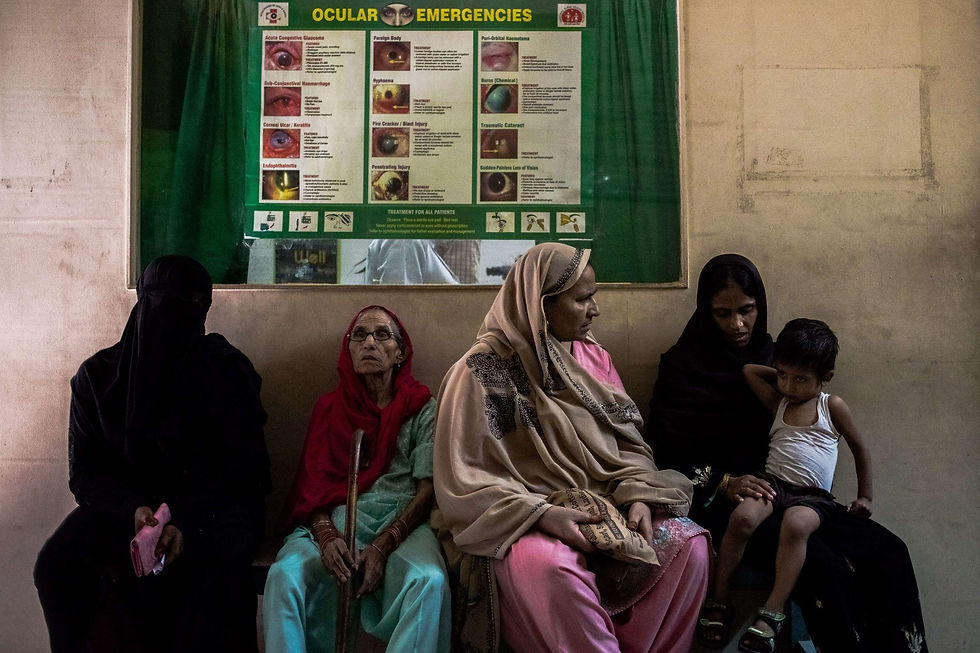
One of the major reasons awareness campaigns are important is the continuing gap between the need for donor corneas and their availability.
Eye Donation Fortnight encourages people to learn about donation and consider pledging their eyes. Increasing awareness can help more families understand the importance of donation and potentially improve the availability of corneal tissue for transplantation.
More awareness can lead to more informed pledges—and potentially more opportunities for people waiting for sight-restoring treatment.
4. It Helps Break Common Myths and Fears

Fear and misinformation can stop families from considering eye donation. Some people worry about how donation affects funeral arrangements or whether donation is possible for older adults or people with certain medical conditions.
Eye Donation Fortnight creates space for healthcare professionals to address these concerns with accurate information. Eligibility depends on medical assessment, so people should speak with an authorized eye bank or healthcare professional rather than relying on rumours. Campaigns also emphasize that eye donation is voluntary and intended as an altruistic act.
The more we talk about donation openly, the easier it becomes to replace fear with understanding.
5. It Encourages Families to Talk About Donation Before It Is Needed

Making a decision about eye donation in advance can make an emotionally difficult situation easier for families.
A pledge alone should not be treated as the end of the conversation. Families should know about the person's wishes and understand that timely communication with the appropriate eye bank or healthcare service after death is important.
Some Indian health authorities note that corneal retrieval needs to take place within a limited period after death, making prompt family communication particularly important.
A simple family conversation today can make someone's final wish easier to honour later.
6. It Turns a Difficult Goodbye Into a Lasting Legacy

Losing someone is never easy. But for families who choose donation, knowing that their loved one's generosity may help another person regain vision can provide a sense of meaning during a difficult time.
Eye Donation Fortnight celebrates not only donors but also the families, eye-bank professionals, healthcare workers and surgeons who make sight restoration possible. The campaign reminds us that generosity can continue to make a difference even after a person's lifetime.
Sometimes, the most meaningful legacy is the possibility of helping someone experience the world again.
Conclusion

Eye Donation Fortnight is not simply a two-week awareness campaign. It is an invitation to learn, discuss and make an informed choice about giving the gift of sight.
From August 25 to September 8, let us use the opportunity to talk to our families, challenge myths and understand the eye-donation process through authorized healthcare and eye-bank services.
A decision made today may become part of someone else's journey toward better vision tomorrow.
Because when we choose to give the gift of sight, our legacy can continue to shine.


Comments