
Six Signs Prolonged Sitting in an Air-Conditioned Room Is Damaging Your Skin

Air-conditioned environments make our homes, offices, and vehicles comfortable, especially during hot weather. However, spending several hours every day in air-conditioned spaces can gradually reduce the moisture in the air, leading to excessive water loss from your skin. Over time, this may weaken the skin's natural protective barrier, making it dry, irritated, and more sensitive.
While air conditioning itself doesn't directly damage the skin, prolonged exposure to dry indoor air can contribute to dehydration and worsen existing skin conditions.
Recognizing the early warning signs can help you take simple steps to keep your skin healthy, hydrated, and glowing.
1. Persistent Dryness That Doesn't Go Away
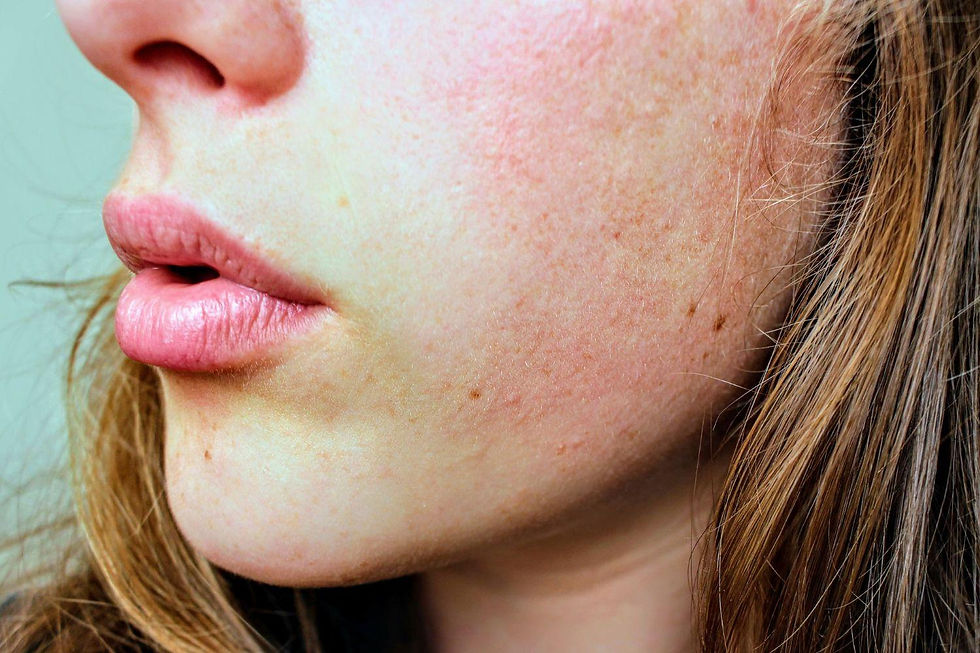
If your skin constantly feels tight after washing your face or spending time indoors, your skin may be losing moisture faster than it can replace it.
What Happens?
Skin feels stretched after cleansing.
Fine flakes appear around the nose, cheeks, or forehead.
Makeup starts looking patchy.
Moisturizer seems to wear off quickly.
Dry indoor air accelerates water loss from the skin.
2. Itchy and Irritated Skin

Reduced humidity can make the skin more sensitive, leading to itching and mild irritation, particularly in people with naturally dry or sensitive skin.
Possible Signs
Frequent urge to scratch.
Mild redness.
Burning sensation after washing.
Increased sensitivity to skincare products.
Existing eczema or dermatitis may become worse.
3. Dull, Tired-Looking Skin

Healthy skin reflects light because it contains adequate moisture. Dehydrated skin often appears lifeless and rough.
You May Notice
Reduced natural glow.
Rough texture.
Uneven complexion.
Skin looking tired despite adequate sleep.
Fine lines appearing more noticeable.
4. Fine Lines Becoming More Noticeable

Temporary dehydration can make wrinkles and fine lines appear deeper than they actually are.
Why It Happens
Lack of moisture reduces skin plumpness.
Skin loses temporary elasticity.
Smile lines become more visible.
Under-eye area appears creased.
Skin feels less supple.
5. Chapped Lips and Rough Hands

The lips and hands contain less natural oil than many other parts of the body, making them especially vulnerable to dry indoor environments.
Common Symptoms
Cracked lips.
Rough knuckles.
Peeling skin around fingers.
Frequent need for lip balm.
Hands feeling tight after washing.
6. Increased Skin Sensitivity

When the skin barrier becomes compromised, even gentle skincare products may start causing discomfort.
Warning Signs
Products suddenly sting.
Skin turns red easily.
Increased sensitivity after cleansing.
Difficulty tolerating weather changes.
Skin reacts more easily to fragrances or cosmetics.
How to Protect Your Skin While Working in Air-Conditioned Rooms

Drink enough water throughout the day.
Apply a fragrance-free moisturizer after cleansing.
Use a gentle face cleanser instead of harsh soaps.
Consider using a humidifier if indoor air is very dry.
Avoid washing your face repeatedly.
Apply sunscreen daily, even indoors if you're near windows.
Include foods rich in healthy fats, vitamins, and antioxidants in your diet.
Take short breaks from continuously sitting in air-conditioned environments whenever possible.
Conclusion

Air-conditioned spaces are a part of modern life, but prolonged exposure to dry indoor air can gradually leave your skin dehydrated and more sensitive. Persistent dryness, itching, dullness, visible fine lines, chapped lips, and increased sensitivity are common signs that your skin may need extra care. By staying hydrated, using an appropriate moisturizer, and following a gentle skincare routine, you can help maintain a healthy skin barrier and reduce the effects of dry indoor environments.


I was diagnosed with Parkinson’s disease four years ago. For over two years, I relied on Levodopa and several other medications, but unfortunately, the symptoms kept getting worse. The tremors became more noticeable, and my balance and mobility started to decline quickly. Last year, out of desperation and hope, I decided to try a herbal treatment program from NaturePath Clinic.
Honestly, I was skeptical at first, but within a few months of starting the treatment, I began to notice real changes. My movements became smoother, the tremors subsided, and I felt steadier on my feet. Incredibly, I also regained much of my energy and confidence. It’s been a life-changing experience I feel more like myself again, better than I’ve felt…