
Six Ways Sea Level Rise Impacts Your Physical and Mental Health

Sea level rise is one of the most visible and concerning consequences of climate change. As global temperatures increase, melting glaciers and the thermal expansion of seawater cause oceans to encroach upon coastal communities. While the environmental and economic impacts are widely discussed, the effects on physical and mental health are equally significant.
From increased disease risk to psychological stress, rising seas pose serious threats to human well-being, especially for populations living in vulnerable coastal regions.
1. Increased Risk of Waterborne Diseases

Sea level rise leads to frequent flooding and saltwater intrusion, contaminating drinking water supplies. This increases the spread of waterborne diseases such as cholera, diarrhea, and hepatitis A. Stagnant floodwaters also create breeding grounds for mosquitoes, raising the risk of vector-borne illnesses like dengue and malaria.
Photo Suggestion: Flooded residential areas or individuals navigating contaminated water.
2. Displacement and Loss of Shelter

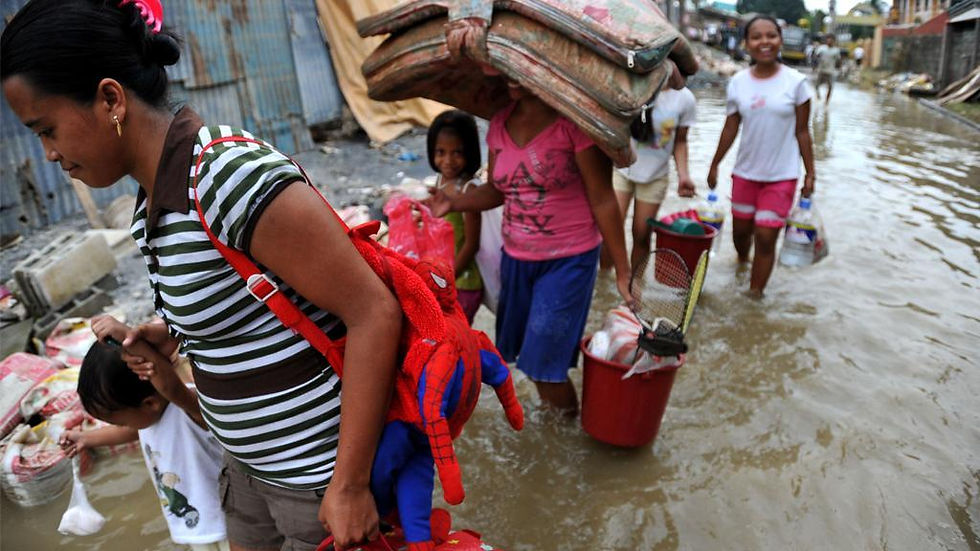
As coastlines erode and flooding becomes more severe, many families are forced to relocate. Displacement disrupts access to healthcare, education, and employment, leading to both physical hardship and emotional trauma.
Photo Suggestion: Families evacuating or damaged coastal homes.
3. Mental Health Challenges

The constant threat of flooding and loss of livelihood contributes to anxiety, depression, post-traumatic stress disorder (PTSD), and “climate anxiety.” Communities facing repeated disasters often experience long-term psychological distress.
Photo Suggestion: Individuals observing flood damage or expressing emotional distress.
4. Increased Respiratory and Heat-Related Illnesses
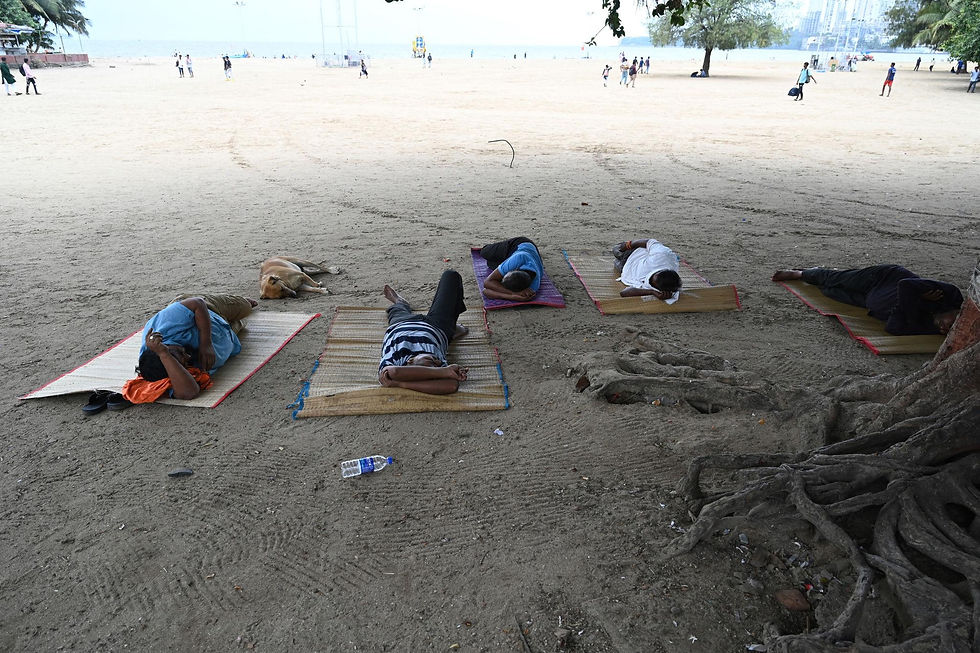
Flooding promotes mold growth in homes, which can trigger asthma and other respiratory conditions. Additionally, coastal regions may experience intensified heatwaves, leading to dehydration and heat-related illnesses.
Photo Suggestion: Mold-affected interiors or people coping with extreme heat.
5. Food and Nutrition Insecurity

Saltwater intrusion into agricultural land reduces crop yields and contaminates freshwater resources. Fisheries are also disrupted, limiting access to nutritious food and increasing the risk of malnutrition, particularly among vulnerable populations.
Photo Suggestion: Salinized farmland or struggling fishing communities.
6. Injury and Mortality from Extreme Events

Rising sea levels intensify storm surges and coastal erosion, increasing the likelihood of injuries and fatalities during extreme weather events. Emergency services may also be overwhelmed, delaying critical medical care.
Photo Suggestion: Rescue teams assisting flood victims or storm surge impacts.
Conclusion
Sea level rise is more than an environmental issue—it is a profound public health challenge. Its impacts extend beyond physical injuries to include mental health struggles, food insecurity, and the displacement of entire communities. Addressing these risks requires coordinated global action, resilient infrastructure, and community awareness.
By understanding these health implications, individuals and policymakers can take meaningful steps toward adaptation and mitigation, ensuring a healthier and safer future for generations to come.



Comments