
World Organ Donation Day 2026: One “Yes” Can Give Eight People a Second Chance at Life

Imagine that after your life ends, a part of you could help someone else see, breathe, live or simply get another chance at life.
That is the powerful idea behind World Organ Donation Day, observed every year on 13 August. The day encourages people to understand organ donation, clear common misconceptions and talk openly with their families about their wishes.
Organ donation can help people suffering from serious organ failure. According to India’s National Organ and Tissue Transplant Organisation (NOTTO), one organ donor can potentially save up to eight lives.
But organ donation is not only about making a pledge. It is also about having a conversation, understanding the process and helping create a culture where giving someone a second chance is seen as an act of compassion.
1. Understand What Organ Donation Really Means

Organ donation involves giving organs or tissues that can be used to help another person through transplantation.
Depending on medical circumstances, organs such as the kidneys, liver, heart, lungs, pancreas and intestines, along with certain tissues, may be suitable for donation.
Importantly, people should not assume that age or an existing medical condition automatically prevents donation. NOTTO explains that medical professionals determine whether organs or tissues are suitable at the time of donation.
Understanding these facts can help replace fear and misinformation with informed decisions.
The first step toward donation is simply knowing what it actually involves.
2. Talk to Your Family About Your Decision
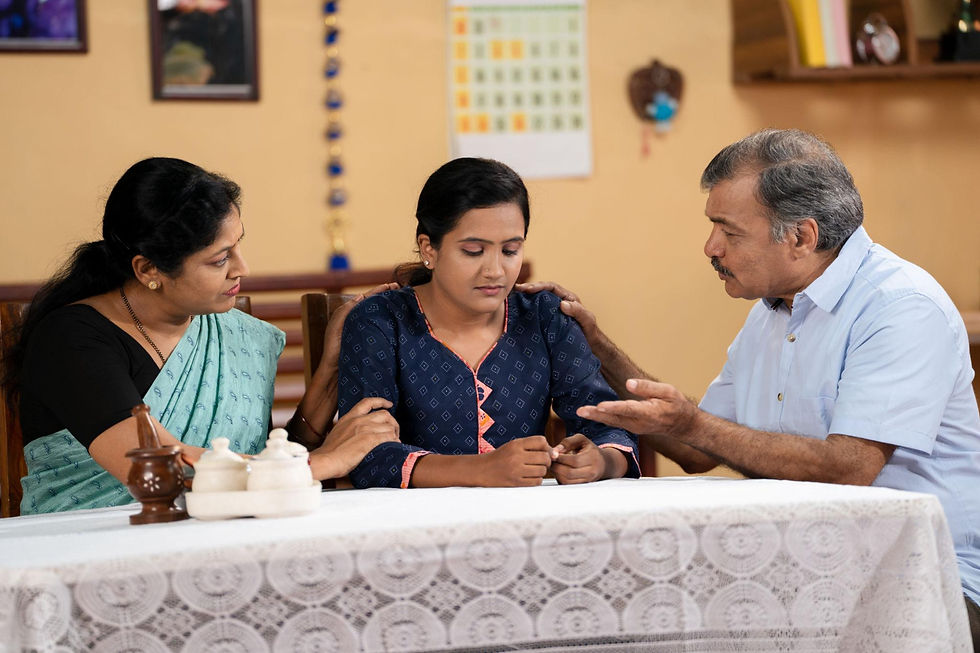
One of the most important things you can do is tell your family that you want to become an organ donor.
In India, registering a donor pledge expresses your intention, but consent from the appropriate family member or person legally in possession of the deceased person's body is still required after death.
That is why a simple family conversation can make a meaningful difference.
You could say: “If something happens to me, I would like my organs to help someone who needs them.”
It may feel uncomfortable initially, but discussing your wishes beforehand can prevent confusion during an already difficult moment.
3. Help Break the Myths Around Organ Donation

Many people hesitate to donate because of misconceptions.
Some believe that doctors may not try their best to save an organ donor. Others worry that donation will disfigure the body or interfere with funeral arrangements.
These fears are not supported by the organ donation process. NOTTO specifically states that saving the patient's life remains the priority, and organ donation is considered only after death has been established according to medical and legal procedures.
Another common misconception is that having a medical condition automatically means you cannot donate. In reality, suitability is assessed individually by healthcare professionals.
The more we talk about the facts, the less space there is for myths.
4. Take the First Step — Make Your Donation Wish Known

If you have decided that you want to donate, you can make your wish known through the authorised organ donation pledge process.
NOTTO provides an online platform for people aged 18 years and above to register their organ donation pledge. The organisation also emphasizes discussing the decision with family because consent remains an important part of the donation process.
But remember: a donor pledge is not a promise that your organs will definitely be donated. Only a small proportion of deaths occur in circumstances where organs can medically be used for transplantation.
Still, your decision matters.
It can start a conversation. It can inspire your family.And, when circumstances allow, it can give another person something priceless — more time.
Conclusion: Your Legacy Could Continue in Someone Else

World Organ Donation Day 2026 is more than an awareness day. It is a reminder that life can leave behind something meaningful.
A decision made today could potentially help someone see their child again, return to work, spend more time with family or simply experience another day they once thought they would never have.
Organ donation cannot remove the pain of losing someone. But in some circumstances, it can transform that loss into hope for others.



Comments