
Five Big Reasons Why India’s Heatwave Is Getting Worse (IMD Alert)
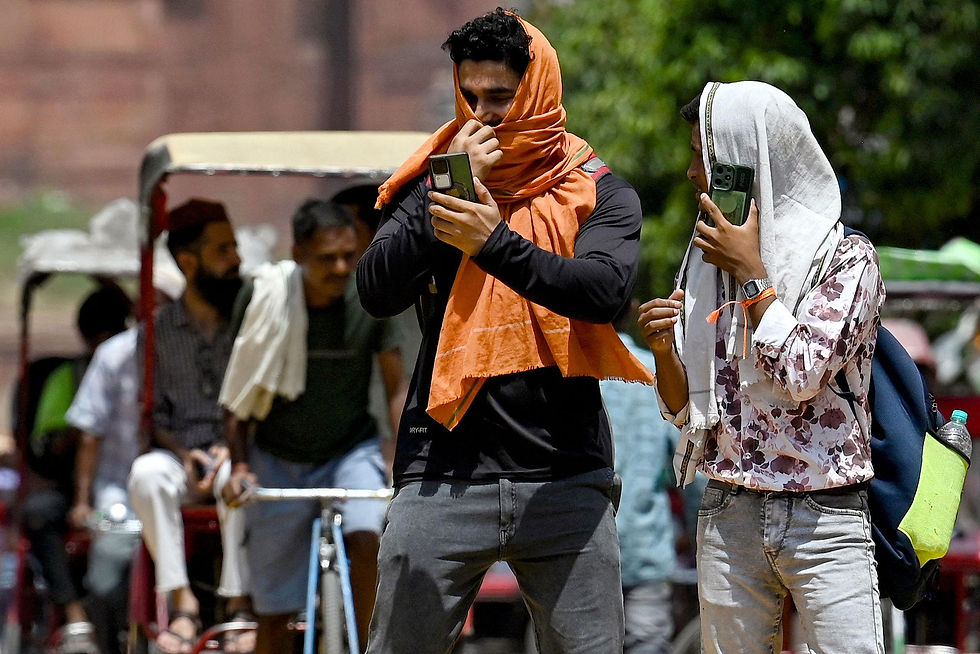
As temperatures surge across the country, the India Meteorological Department (IMD), under the Ministry of Earth Sciences, has released a nationwide heatwave advisory. With several regions already experiencing extreme conditions, this alert serves as a crucial reminder for citizens to stay informed and protected.
Recent observations show maximum temperatures ranging between 40°C and 44°C, with Sri Ganganagar in Rajasthan recording a scorching 44.5°C. Many areas are witnessing temperatures 5°C above normal, signaling a growing heat stress scenario.
IMD forecasts that heatwave conditions will intensify across parts of Northwest, Central, and Peninsular India over the coming days, while coastal regions may face hot and humid weather, and northern plains may endure warm nights, further worsening discomfort.
Five Essential Ways to Stay Safe During India’s Rising Heatwave
1. Stay Hydrated Throughout the Day

Keeping your body hydrated is your first line of defense against heat-related illnesses. Drink plenty of water, even if you’re not thirsty. Include fluids like ORS, coconut water, and fresh juices to replenish lost electrolytes.
Why it matters: Dehydration can quickly lead to fatigue, dizziness, and even heatstroke if ignored.
2. Avoid Direct Sun Exposure During Peak Hours

The IMD strongly advises avoiding outdoor activities between 12 PM and 4 PM, when the sun is at its harshest. If stepping out is unavoidable, use umbrellas, hats, or scarves for protection.
Why it matters: Prolonged sun exposure can lead to heat exhaustion and severe sunburn.
3. Wear Light and Breathable Clothing

Choose light-colored, loose-fitting cotton clothes that allow your body to breathe and stay cool. Avoid synthetic fabrics that trap heat.
Why it matters: Proper clothing helps regulate body temperature and reduces sweating discomfort.
4. Limit Physical Activity and Stay Indoors

Avoid strenuous activities, especially outdoors. Stay indoors during peak heat hours and use fans, coolers, or air conditioning where possible.
Why it matters: Overexertion in extreme heat increases the risk of heatstroke.
5. Protect Vulnerable Groups

Special attention should be given to children, elderly individuals, and those with existing health conditions. Ensure they remain cool, hydrated, and avoid heat exposure.
Why it matters: These groups are more susceptible to heat-related complications.
What’s Ahead? IMD Forecast Insights

The IMD predicts that heatwave conditions will persist over the next 7 days, particularly in:
Northwest India: Punjab, Haryana, Delhi, Rajasthan, Uttar Pradesh
Central India: Madhya Pradesh, Chhattisgarh, Vidarbha
Southern regions: Kerala & Mahe
Coastal states like Odisha, West Bengal, Tamil Nadu, and Andhra Pradesh are likely to experience hot and humid conditions, while northern plains may face uncomfortably warm nights.
Looking ahead, the seasonal outlook (April–June 2026) indicates above-normal heatwave days, highlighting the need for continued awareness and preparedness.
Conclusion: Stay Alert, Stay Safe

India is entering a critical phase of extreme summer conditions, and the warnings issued by the India Meteorological Department should not be taken lightly. Simple preventive steps—like staying hydrated, avoiding peak heat hours, and caring for vulnerable individuals—can significantly reduce health risks.
Early awareness and responsible action are key to preventing serious conditions like heat exhaustion and heatstroke. Stay updated through official IMD channels and prioritize your well-being during this intense heat season.



Comments