
From Paracetamol to Heart Medicines , 384 Essential Medicines May See Short-Term Price Hike of Up to 20% – Here's Why
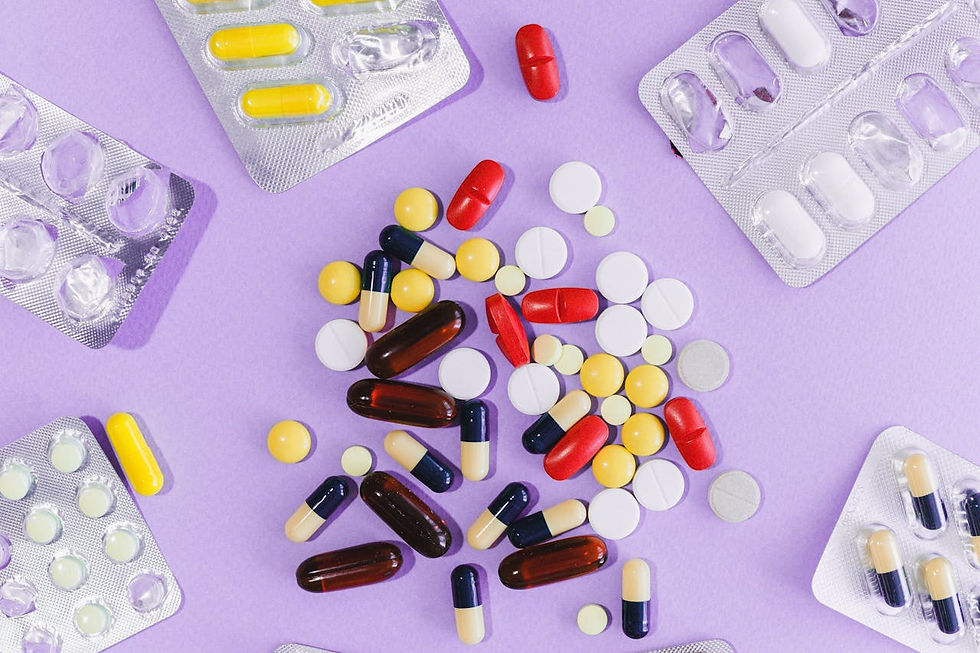
After rising fuel and food prices, Indian consumers may now face another financial burden — higher medicine costs. The Indian government is reportedly considering a price hike for 384 essential medicines, including commonly used drugs such as paracetamol, antibiotics, and cardiac medicines.
According to a recent media report by Live Mint, discussions are currently underway between the National Pharmaceutical Pricing Authority (NPPA), the Department of Pharmaceuticals, and the Commerce Ministry over a temporary revision in the prices of key medicines included under the price-control mechanism.
The medicines being discussed include antibiotics and anti-infective drugs such as amoxicillin and azithromycin, heart medications like amlodipine and atorvastatin, and pain relievers including paracetamol. The list also covers other essential and life-saving medicines such as steroids like dexamethasone and vitamins including ascorbic acid, which rely on imported active pharmaceutical ingredients (APIs) and petrochemical-based solvents.
Why Are Medicine Prices Likely to Rise?
The proposed hike is linked to ongoing geopolitical tensions in the Middle East, particularly the Iran conflict, which has disrupted global supply chains.

1. Shortage of Raw Materials
Many medicines are manufactured using petrochemical-based raw materials. Due to the conflict and shipping disruptions in the region, the supply of these ingredients has been affected significantly.
2. Rising Manufacturing Costs
Pharmaceutical companies are reportedly facing a sharp increase in production costs because of expensive and limited raw materials. Industry representatives have urged the government to allow a temporary price revision to offset these losses.

The ongoing conflict in West Asia has severely impacted global supply chains, leading to a sharp rise of nearly 200–300 per cent in the prices of key pharmaceutical raw materials such as propylene, ammonia, and methanol.
The increase in production costs has particularly affected small pharmaceutical companies, many of which are struggling to continue manufacturing operations. In response, industry associations have urged the government to allow a 10–20 per cent increase in medicine prices under existing drug pricing regulations to prevent losses and ensure the continued supply of essential medicines.
Meanwhile, the government has reportedly clarified that the proposed price hike would be temporary and could be withdrawn once supply conditions improve and stabilize.
Officials are examining the proposal mainly to maintain the availability of essential medicines and avoid disruptions in the pharmaceutical supply chain.
Impact on Patients
A price rise in essential medicines could directly affect millions of patients, especially those managing chronic illnesses such as hypertension, heart disease, and infections requiring long-term treatment. Healthcare experts warn that even a small increase in medicine costs can significantly impact middle- and lower-income households already struggling with inflation.
The government has not yet made any official announcement regarding the final decision on the proposed hike. However, the ongoing review has raised concerns among patients and healthcare providers across the country.


I was diagnosed with Parkinson’s disease four years ago. For over two years, I relied on Levodopa and several other medications, but unfortunately, the symptoms kept getting worse. The tremors became more noticeable, and my balance and mobility started to decline quickly. Last year, out of desperation and hope, I decided to try a herbal treatment program from NaturePath Clinic.
Honestly, I was skeptical at first, but within a few months of starting the treatment, I began to notice real changes. My movements became smoother, the tremors subsided, and I felt steadier on my feet. Incredibly, I also regained much of my energy and confidence. It’s been a life-changing experience I feel more like myself again, better than I’ve felt…