
Three Everyday Habits That Are Silently Weakening Your Pelvic Floor Muscles Without You Realizing It

The pelvic floor muscles are a group of muscles that support the bladder, bowel, and reproductive organs. These muscles also play a vital role in controlling urination, bowel movements, posture, and core stability. While aging and childbirth are well-known causes of pelvic floor weakness, many people unknowingly damage these muscles through simple daily habits.
Ignoring pelvic floor health can increase the risk of urinary leakage, pelvic organ prolapse, lower back discomfort, constipation, and reduced quality of life. The good news is that recognizing harmful habits early can help protect these important muscles and improve long-term health.
1. Spending Too Much Time Sitting Every Day

Modern lifestyles often involve sitting for hours at a desk, in a car, or on the couch. Prolonged sitting reduces blood circulation, weakens core muscles, and places constant pressure on the pelvic floor.
How it affects your pelvic floor
Weakens the muscles supporting the pelvis.
Reduces flexibility and muscle coordination.
Encourages poor posture, increasing pelvic pressure.
Can contribute to lower back pain and pelvic discomfort.
What you can do
Stand up and stretch every 30–60 minutes.
Walk for a few minutes throughout the day.
Practice good sitting posture.
Include core and pelvic floor strengthening exercises in your routine.
2. Straining During Constipation

Frequently straining while passing stools puts repeated downward pressure on the pelvic floor muscles, gradually weakening them over time.
Why it is harmful
Excessive pressure stretches pelvic muscles.
Increases the risk of pelvic organ prolapse.
Can worsen hemorrhoids.
May contribute to urinary leakage later in life.
Healthy alternatives
Eat more fiber-rich foods.
Drink plenty of water.
Stay physically active.
Avoid delaying bowel movements.
Consult a healthcare professional if constipation becomes persistent.
3. Lifting Heavy Objects Incorrectly
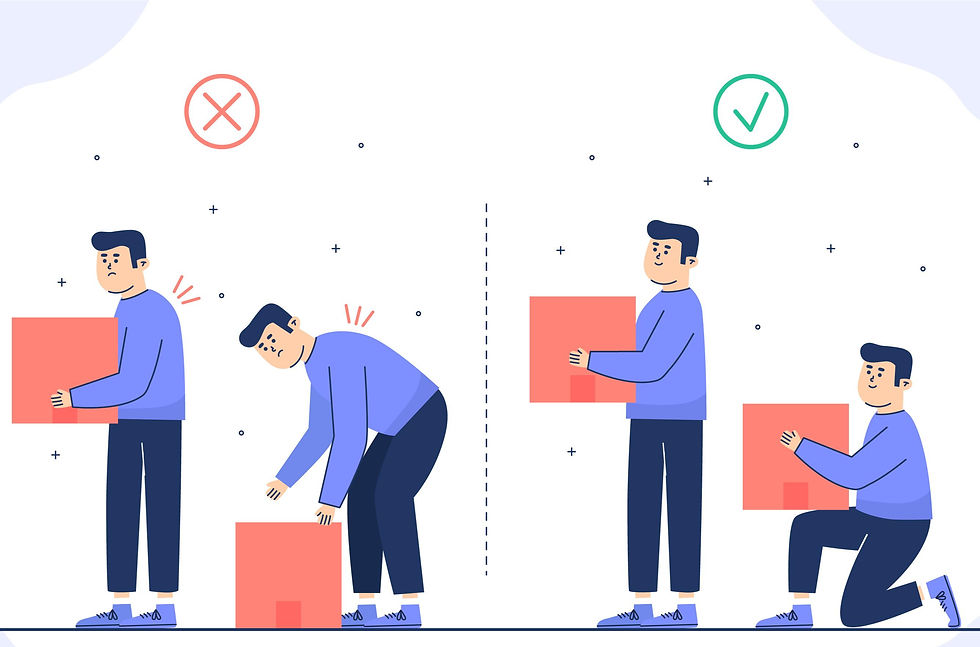
Improper lifting techniques place sudden pressure on the abdominal cavity, forcing the pelvic floor muscles to absorb excessive strain.
Common mistakes
Holding your breath while lifting.
Bending from the waist instead of the knees.
Repeatedly lifting heavy loads without proper technique.
Ignoring muscle fatigue.
Protect your pelvic floor
Bend your knees before lifting.
Engage your core muscles.
Exhale while lifting heavy objects.
Ask for assistance when lifting excessive weight.
Conclusion

Pelvic floor health is often overlooked until symptoms begin to interfere with everyday life. Fortunately, small lifestyle changes can make a significant difference. Reducing prolonged sitting, preventing constipation, and using proper lifting techniques are simple yet effective ways to protect these essential muscles.
If you experience persistent urinary leakage, pelvic heaviness, chronic constipation, or pelvic pain, consult a qualified healthcare professional for evaluation and appropriate treatment. Early intervention can help prevent complications and improve overall quality of life.


Comments