
Your Everyday Rice and Roti May Be Losing Nutrition, Experts Warn

Rice for lunch and rotis for dinner have long been central to the Indian diet. From households and school cafeterias to office lunches and roadside eateries, these staples remain an inseparable part of everyday life for millions across the country.
However, health experts are now cautioning that the grains commonly consumed in Indian meals may not provide the same nutritional value they once did.
According to observations highlighted in the latest annual report by the Indian Council of Agricultural Research (ICAR), the nutrient content in high-yielding varieties (HYVs) of rice and wheat has gradually declined over the years. At the same time, scientists have noted a rise in arsenic concentration in rice.
The findings were based on an assessment of 528 food samples collected from six different regions of India and compared with nutritional data recorded in 1989.
Medical professionals and nutrition specialists say the issue extends beyond agriculture. Since rice and wheat form the foundation of daily diets in India, declining nutritional quality could slowly evolve into a significant public health concern.
WHY EXPERTS ARE WORRIED

Experts explain that the concern is not necessarily about food shortages, but about people consuming enough calories while still lacking important nutrients.
Lower levels of micronutrients such as iron and zinc in staple grains may contribute to what experts call “hidden hunger” — a condition where the body receives sufficient food intake but remains deficient in essential nutrients needed for healthy functioning.
Insufficient micronutrient intake has been associated with fatigue, weakened immunity, anaemia, poor concentration, slower growth in children and various metabolic disorders.
The issue is particularly concerning in India, where nutritional deficiencies and anaemia already affect a large section of women and children.
Researchers are also closely monitoring exposure to harmful substances through food.
Rice, especially, tends to absorb arsenic more easily because it is cultivated in waterlogged conditions. Long-term arsenic exposure has been linked to cardiovascular diseases, respiratory illnesses, neurological disorders and certain forms of cancer.
Nutrition therapist Neelanjana Singh said modern eating habits have become overly dependent on a limited range of grains.
“Diet diversity is extremely important for maintaining good health. If rice or wheat is consumed daily in large quantities, introducing a wider variety of grains into the diet may help lower overall health risks,” she said.
She added that reducing reliance on a single staple food could also help minimise long-term toxic exposure.
HOW THE FOOD SYSTEM EVOLVED
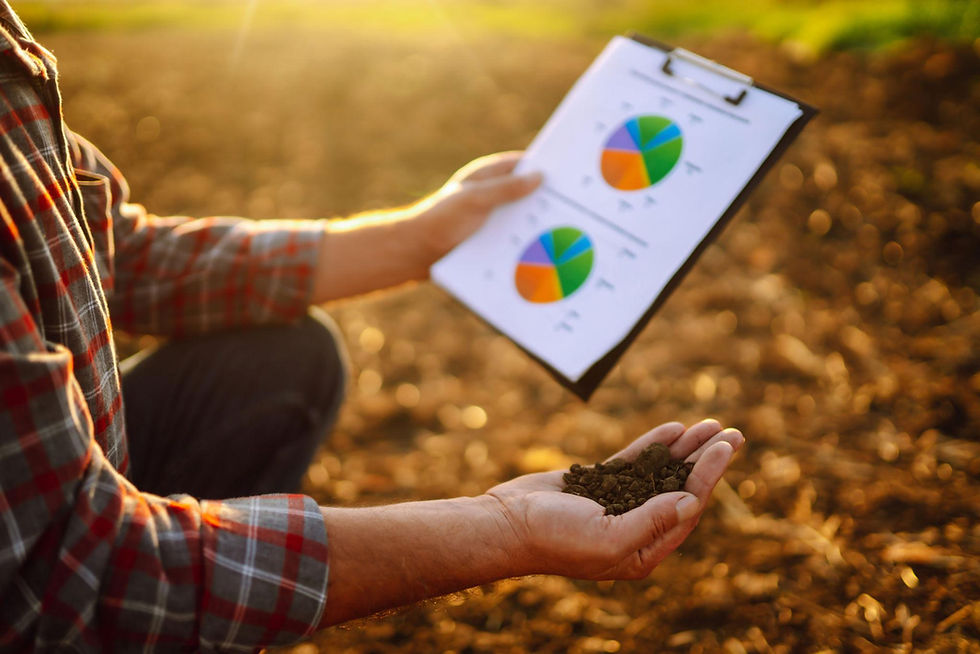
Experts trace the roots of the issue to the Green Revolution during the 1960s and 1970s, when India adopted high-yielding crop varieties to tackle famine and improve food production.
The strategy played a major role in strengthening the country’s food security and significantly increasing grain production. However, researchers now believe that the long-term focus on maximising crop yields may have gradually reduced the nutrient density of food grains.
Several agricultural and soil health studies have connected declining food nutrition with excessive fertiliser use, deteriorating soil quality, monocropping and intensive farming methods.
According to Singh, healthier soil directly contributes to healthier food.
“When soil nutrients are maintained properly, crops naturally absorb more nutrients, improving the nutritional quality of the food people consume,” she explained.
WHO MAY FACE GREATER RISK?

Health experts say some groups could be more vulnerable to the combined effects of poor nutritional quality and toxic exposure from staple foods.
These include:
Children and teenagers
Pregnant women
Elderly individuals
People suffering from anaemia
Individuals living with diabetes or chronic illnesses
For children, nutrients like iron and zinc are essential for immunity, brain development and overall growth. In adults, long-term nutritional imbalance may gradually affect metabolism, energy levels and general health.
WHAT CAN PEOPLE DO?

Experts clarify that the findings do not suggest people should completely stop eating rice or wheat. Instead, they recommend improving dietary diversity and reducing overdependence on a single staple grain.
Singh suggested that traditional grains such as bajra, jowar, ragi and foxtail millet may serve as healthier alternatives because they require fewer pesticides and fertilisers while naturally containing higher fibre and micronutrient levels.
“Millets are resilient grains and carry a lower risk of toxic exposure. They are nutritious alternatives that deserve wider promotion,” she said.
Experts also recommend:
Including more pulses and legumes in meals
Eating seasonal fruits and vegetables
Choosing minimally processed grains
Rotating grains regularly instead of depending on one staple every day
Encouraging greater dietary diversity at home

Singh also highlighted simple cooking practices that may help reduce arsenic exposure in areas considered high risk.
“One method that may help lower arsenic levels is boiling rice in extra water and draining the remaining water after cooking,” she explained.
While the Green Revolution once helped India overcome food shortages, experts say the country’s next major challenge is ensuring that everyday food remains both nutritious and safe for future generations.


I was diagnosed with Parkinson’s disease four years ago. For over two years, I relied on Levodopa and several other medications, but unfortunately, the symptoms kept getting worse. The tremors became more noticeable, and my balance and mobility started to decline quickly. Last year, out of desperation and hope, I decided to try a herbal treatment program from NaturePath Clinic.
Honestly, I was skeptical at first, but within a few months of starting the treatment, I began to notice real changes. My movements became smoother, the tremors subsided, and I felt steadier on my feet. Incredibly, I also regained much of my energy and confidence. It’s been a life-changing experience I feel more like myself again, better than I’ve felt…