
Seven Recommended Tips to Recover Faster from Chikungunya and Ease Joint Pain

Chikungunya is a mosquito-borne viral illness that often causes sudden high fever, severe joint pain, muscle aches, fatigue, and skin rashes. While most people recover within a few weeks, joint pain can linger for months in some cases, making daily activities difficult.
The good news is that proper rest, hydration, balanced nutrition, and simple doctor-recommended self-care measures can help your body recover faster and reduce discomfort. Here are seven expert-backed tips that can support your recovery safely.
1. Prioritize Complete Rest During the First Few Days

Your immune system needs energy to fight the virus. Trying to return to work or strenuous activities too early can delay recovery and worsen fatigue.
Take plenty of rest, sleep for at least 7–9 hours each night, and avoid heavy physical activities until your fever subsides and your doctor advises it's safe.
2. Stay Well Hydrated

High fever can cause dehydration, which may increase weakness and slow recovery.
Drink plenty of:
Water
Coconut water
Fresh soups
Oral rehydration solution (ORS)
Fresh fruit juices (without excessive sugar)
Proper hydration supports circulation and helps your body recover more efficiently.
3. Eat a Nutrient-Rich, Easy-to-Digest Diet

Your body needs vitamins, minerals, and protein to repair tissues and strengthen immunity.
Include foods like:
Fresh fruits
Green leafy vegetables
Lentils and legumes
Eggs or lean chicken (if non-vegetarian)
Yogurt
Nuts and seeds
Avoid oily, heavily processed, or sugary foods that offer little nutritional value.
4. Manage Joint Pain the Right Way
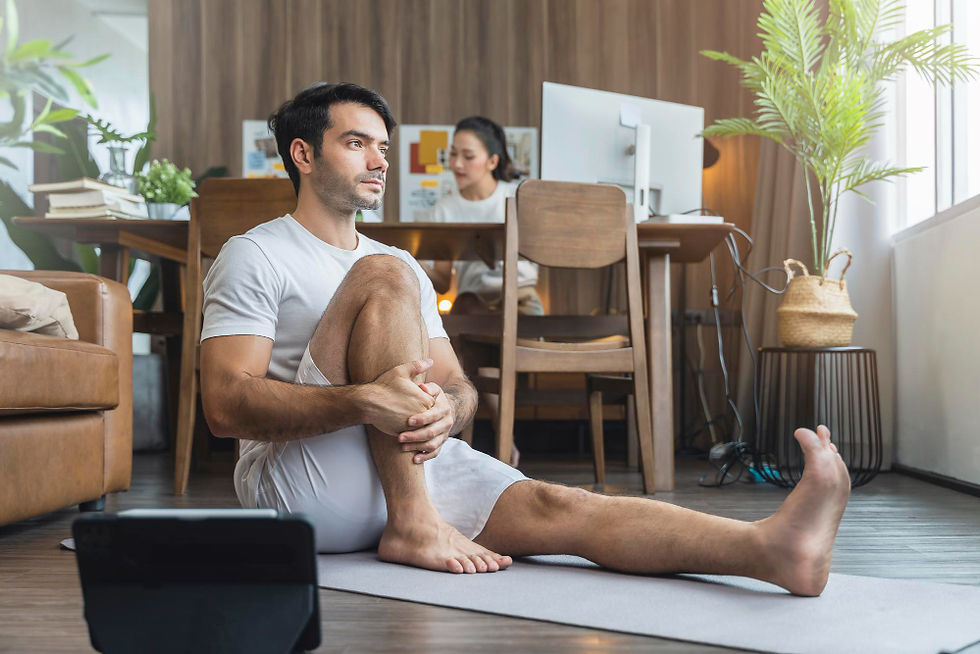
Joint pain is one of the most common symptoms of chikungunya and may persist after the fever is gone.
Doctors often recommend:
Taking prescribed pain relievers only as advised
Applying warm compresses after the acute fever phase
Gentle stretching exercises once symptoms begin improving
Avoiding self-medication with unnecessary painkillers
Always consult your healthcare provider before taking any medication.
5. Start Gentle Movement as You Recover

Once your fever has resolved and your doctor approves, light movement can help reduce joint stiffness.
Simple activities include:
Slow walking
Gentle stretching
Basic range-of-motion exercises
Light yoga under professional guidance
Avoid vigorous exercise until your strength fully returns.
6. Monitor Your Symptoms Carefully

Although chikungunya is usually self-limiting, certain warning signs require immediate medical attention.
Seek medical care if you experience:
Persistent high fever
Difficulty breathing
Severe dehydration
Confusion
Chest pain
Uncontrolled vomiting
Worsening weakness
Early medical evaluation helps prevent complications and ensures appropriate treatment.
7. Protect Yourself from More Mosquito Bites

Even while recovering, preventing mosquito bites is important to reduce transmission and protect others.
Use:
Mosquito repellents
Full-sleeved clothing
Mosquito nets
Window screens
Eliminate stagnant water around your home
Prevention remains the best defense against mosquito-borne illnesses.
Conclusion

Recovering from chikungunya takes time, patience, and proper care. Most people improve gradually with adequate rest, hydration, nutritious food, and appropriate pain management. If joint pain persists for several weeks or symptoms worsen, consult your doctor for further evaluation and treatment. Following these doctor-recommended tips can help you regain strength and return to your normal routine safely.


I was diagnosed with Parkinson’s disease four years ago. For over two years, I relied on Levodopa and several other medications, but unfortunately, the symptoms kept getting worse. The tremors became more noticeable, and my balance and mobility started to decline quickly. Last year, out of desperation and hope, I decided to try a herbal treatment program from NaturePath Clinic.
Honestly, I was skeptical at first, but within a few months of starting the treatment, I began to notice real changes. My movements became smoother, the tremors subsided, and I felt steadier on my feet. Incredibly, I also regained much of my energy and confidence. It’s been a life-changing experience I feel more like myself again, better than I’ve felt…